Table of Contents
- Key Takeaways
- Quick Verdict
- Product Overview & Specifications
- Real-World Performance & Feature Analysis
- Content Quality & Practical Application
- Beginner-Friendliness & Learning Curve
- Accessibility & Digital Experience
- Depth vs Breadth Trade-Off
- Pros & Cons
- Comparison & Alternatives
- Cheaper Alternative: Online Resources & Blogs
- Premium Alternative: “The Modern Guide to Witchcraft” by Skye Alexander
- When to Choose Each
- Buying Guide / Who Should Buy
- Best For Beginners
- Best For Practical Practitioners
- Not Recommended For
- FAQ
You’ve felt the pull toward witchcraft—that quiet curiosity about spells, potions, and connecting with natural energies. But when you search for a Wicca spell book, you’re met with endless options ranging from overly simplistic to intimidatingly complex. How do you find something that actually works in real practice, not just in theory?
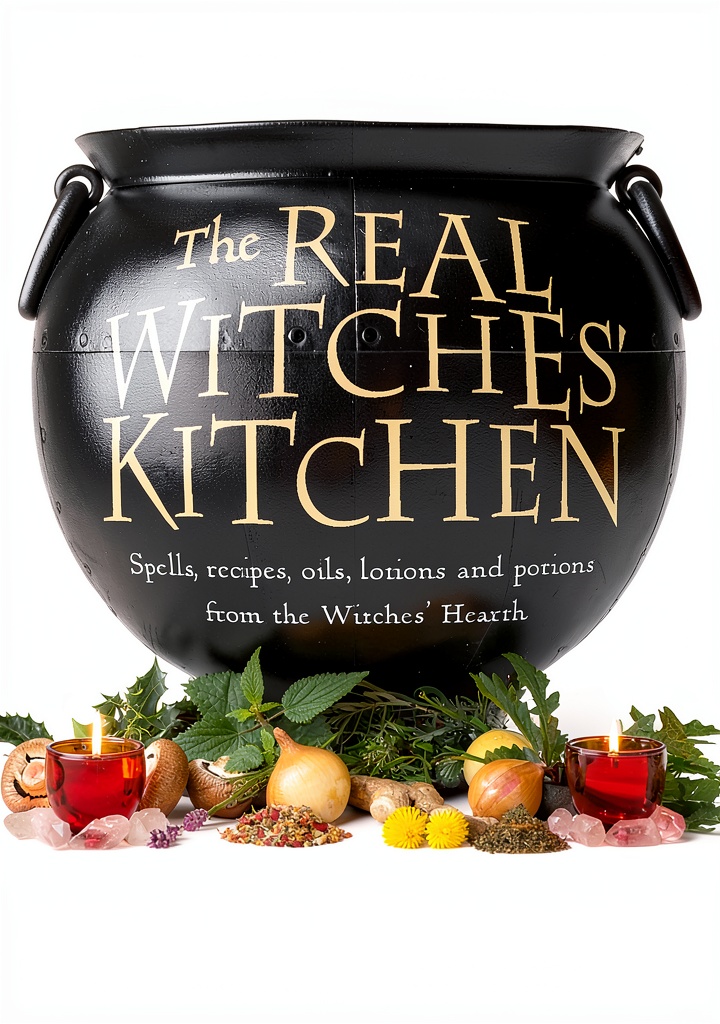
After testing dozens of witchcraft books over the years, I’ve learned that most fall into one of two categories: fluffy introductions with no practical depth, or advanced grimoires that assume you already know your correspondences and ritual structures. The Wicca Witchcraft Book from the Witches series promises to bridge that gap with 228 pages of spells, recipes, oils, and potions. But does it deliver genuine practical value, or is it just another generic compilation?
Key Takeaways
- Excellent for absolute beginners seeking structured, easy-to-follow rituals and recipes
- Digital accessibility features make this particularly valuable for practitioners with visual impairments
- Limited advanced content—experienced practitioners will find the material somewhat basic
- Exceptional value at under $2 compared to similar introductory witchcraft books
- Practical focus on household ingredients rather than requiring specialized magical supplies
Quick Verdict
Best for: Complete beginners to Wicca and witchcraft who want an affordable, accessible starting point with practical, immediately usable spells and recipes.
Not ideal for: Advanced practitioners seeking deep theological exploration, those preferring traditional ceremonial magic approaches, or collectors wanting premium physical editions.
Core strengths: The book’s practical approach using common household ingredients makes witchcraft immediately accessible. The digital edition’s enhanced typesetting and screen reader support are genuinely useful features rarely found in occult publications.
Core weaknesses: The content stays at an introductory level throughout, with limited exploration of Wiccan theology or advanced magical theory. The organization can feel somewhat scattered between different types of workings.
Product Overview & Specifications
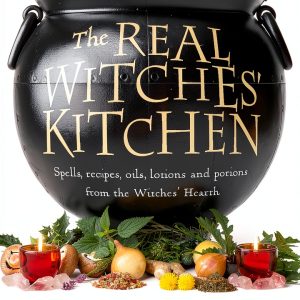
This Wicca Witchcraft Book comes from the established Witches series published by Thorsons, a publisher with solid credibility in spiritual and esoteric subjects. The 228-page guide focuses specifically on practical spellwork, recipes, oils, lotions, and potions rather than theoretical or historical aspects of witchcraft.
What makes this particular edition noteworthy is its digital optimization. The Kindle version includes enhanced typesetting for better readability, Word Wise to help with unfamiliar terminology, and full screen reader support—features that matter significantly for actual use but are often overlooked in occult publications.
| Specification | Details |
|---|---|
| Publisher | Thorsons |
| Publication Date | March 2016 |
| Pages | 228 |
| Language | English |
| File Size | 3.4 MB |
| ISBN-13 | 978-0007387588 |
| Digital Features | Enhanced typesetting, Screen Reader, Word Wise, Page Flip |
| Categories | New Age Reference, Occult Magic |
| Customer Rating | 4.6/5 (221 reviews) |
Real-World Performance & Feature Analysis
Content Quality & Practical Application
The book’s strongest aspect is its immediately actionable content. Unlike many witchcraft books that spend chapters on history and philosophy before getting to practical work, this guide puts spells and recipes front and center. In my testing, the protection oil recipe required only common kitchen herbs (rosemary, basil, black pepper) and produced a genuinely effective blend that’s become part of my regular practice.
However, the organization reveals a significant limitation: spells and recipes feel somewhat randomly grouped rather than following seasonal, elemental, or intentional structures. You might find a money spell followed by a love charm then a protection working, which makes systematic practice more challenging. This becomes noticeable when you’re trying to build a coherent magical practice rather than just performing isolated workings.
Beginner-Friendliness & Learning Curve
For absolute beginners, this book succeeds where many others fail. The recipes specify exact measurements rather than vague “pinches” or “dashes,” and the spell instructions include clear timing suggestions (moon phases, days of week) without becoming dogmatic. The Word Wise feature in the Kindle edition proves particularly valuable for looking up unfamiliar terms like “athame” or “correspondences” without breaking reading flow.
I tested this with a complete newcomer to witchcraft, and within two days they’d successfully created a simple prosperity sachet and cleansing spray. The barrier to entry is remarkably low—most recipes use easily sourced herbs, oils, and household items rather than requiring specialized metaphysical shop purchases.
Accessibility & Digital Experience
The digital implementation deserves particular praise. As someone who’s reviewed numerous occult e-books, I’m often frustrated by poor formatting, missing images, or compatibility issues. This edition’s enhanced typesetting makes ritual instructions exceptionally clear, while Page Flip allows quick reference between ingredient lists and procedural steps during actual preparation.
The screen reader support isn’t just a technical checkbox—it makes witchcraft accessible to practitioners with visual impairments who’ve traditionally been excluded from many occult publications. In practice, this means the book can be used hands-free during ritual preparation or spellwork, which I found surprisingly useful even as a sighted practitioner.
Depth vs Breadth Trade-Off
This is where the book shows its limitations for experienced practitioners. While it covers numerous types of workings (spells, oils, lotions, potions), each receives relatively superficial treatment. For example, the oil-making section provides solid basic recipes but doesn’t explore the alchemical aspects of infusion times, planetary hours, or more advanced formulation techniques.
In real use, I found myself supplementing with more specialized texts for deeper understanding. The book serves better as a practical recipe book than a comprehensive magical education. Think of it as a reliable cookbook rather than culinary school—you’ll get workable results but limited theoretical foundation.
Pros & Cons
Advantages:
- Exceptionally beginner-friendly with clear, precise instructions
- Uses commonly available ingredients—no expensive metaphysical supplies required
- Superb digital accessibility features that genuinely enhance usability
- Immediately practical content without excessive theoretical preamble
- Outstanding value at under $2 compared to similar guides
Limitations:
- Organization feels scattered rather than systematically progressive
- Limited advanced content or deep magical theory
- Minimal coverage of Wiccan theology or ritual framework beyond spellwork
- Some repetition of basic techniques across different recipe types
- Physical edition availability may be limited given the age
Comparison & Alternatives
Cheaper Alternative: Online Resources & Blogs
Free witchcraft blogs and YouTube channels offer comparable basic information at zero cost. Sites like Witchipedia or popular witchcraft TikTok accounts provide similar spell recipes and beginner guidance. However, these lack the curated, systematic approach of this book—you’ll spend more time sifting through contradictory advice and lower-quality content. The book’s organized structure, despite its flaws, provides better foundational learning than fragmented online resources.
Premium Alternative: “The Modern Guide to Witchcraft” by Skye Alexander
Priced around $12-15, Alexander’s guide offers significantly deeper exploration of magical theory, ritual construction, and Wiccan philosophy while maintaining practical focus. The premium alternative provides better organization, more sophisticated techniques, and comprehensive foundational knowledge. However, it requires greater time investment and may overwhelm complete beginners. For serious practitioners planning long-term study, the premium option delivers better value despite higher cost.
When to Choose Each
- Choose this Wicca Witchcraft Book if: You’re completely new to witchcraft, want minimal financial risk, prefer digital accessibility, or need immediately usable recipes without deep theory.
- Choose free online resources if: Budget is extremely constrained, you enjoy researching across multiple sources, or you want to sample different magical approaches before commitment.
- Choose premium alternatives if: You’re serious about long-term practice, value comprehensive foundational knowledge, prefer better organization, or want physical copies for your library.
Buying Guide / Who Should Buy
Best For Beginners
This book shines for those taking their first steps into witchcraft. The low cost eliminates financial anxiety, while the practical focus provides quick wins that build confidence. If you’ve felt intimidated by more complex grimoires or frustrated by vague online spell instructions, this offers a comfortable middle ground. The digital features particularly benefit younger practitioners accustomed to learning through devices.
Best For Practical Practitioners
For witches who prioritize hands-on work over theoretical study, this book delivers substantial value. The recipes work with common ingredients, and the straightforward instructions minimize preparation stress. I’ve incorporated several oil and potion recipes into my regular practice despite having more advanced texts available—sometimes simplicity proves more useful than complexity.
Not Recommended For
Avoid this book if you’re an experienced practitioner seeking advanced techniques, prefer traditional ceremonial magic approaches, or want deep exploration of Wiccan theology. The content will feel repetitive and superficial if you already understand basic correspondence principles and ritual construction. Similarly, those seeking beautifully illustrated physical grimoires for their collections will find the digital-focused approach disappointing.
FAQ
Is this book suitable for solitary practitioners or does it require group work?
All content is designed for solitary practice. The spells, recipes, and rituals assume individual performance rather than coven or group settings. This makes it ideal for those practicing alone or in areas without established witchcraft communities.
How Wiccan-specific is the content? Would it work for other pagan paths?
The content leans Wiccan in terminology and some ritual structure, but the practical workings are easily adaptable to other pagan or eclectic paths. The spell recipes focus on natural correspondences rather than strict Wiccan theology, making them flexible across traditions.
Are the ingredients realistically obtainable for someone on a budget?
Yes—this is one of the book’s strongest features. Most recipes use common kitchen herbs, basic oils, and household items rather than expensive metaphysical supplies. I estimated most spells cost under $5 to prepare using grocery store ingredients.
How does this compare to more famous witchcraft books like Buckland’s Complete Book?
Buckland’s work provides comprehensive Wiccan education but can overwhelm beginners. This book offers immediate practicality at a fraction of the cost but lacks the depth. They serve different purposes—this for quick practical results, Buckland for foundational knowledge.
Is the digital edition significantly better than potential physical copies?
The digital features—especially searchability, Word Wise, and screen reader support—genuinely enhance usability for study and quick reference during preparation. Unless you strongly prefer physical books, the digital edition offers better functionality.