Table of Contents
- Key Takeaways
- Quick Verdict
- Product Overview & Specifications
- Real-World Performance & Feature Analysis
- Design & Digital Experience
- Performance in Real Use: Two Scenarios
- Ease of Use & Accessibility
- Content Depth & Reliability
- Pros & Cons
- Comparison & Alternatives
- Cheaper Alternative: Free Online Resources (e.g., Patheos Blogs, YouTube Channels)
- Premium Alternative: “Paganism for Beginners” by Althaea Sebastiani (or similar by well-known authors)
- Buying Guide / Who Should Buy
- Best For Beginners
- Best for the Digitally-Native Seeker
- Not Recommended For
- FAQ
You’ve typed ‘paganism reference book’ or ‘paganism for beginners’ into the search bar. You’re curious, maybe a little overwhelmed by the sheer volume of information out there, and looking for a clear, accessible starting point that won’t cost a fortune or demand a theology degree. I get it. The spiritual path is personal, and finding the right first resource can feel like a quest in itself.
As someone who has reviewed dozens of spiritual and esoteric texts, both digital and print, I’ve learned that the value of a beginner’s guide isn’t just in the information it contains, but in how it delivers that information. Does it overwhelm or inspire? Does it feel like a dry textbook or a conversation with a knowledgeable friend? I’ve spent time with this specific Paganism Reference Kindle Book to see how it holds up in real-world use, from its readability features to the practicality of its 122 pages of content. Let’s cut through the hype and see if this is the right first step for your journey.
Key Takeaways
Before we dive deep, here’s the essence of what you need to know:
- Best for the Price-Conscious & Digitally-Inclined: At under $3, it’s a low-risk entry point for someone testing the waters of Paganism without a significant financial commitment.
- Readability is a Core Strength: The Enhanced Typesetting and Word Wise features genuinely help with comprehension, especially if spiritual terminology is new to you.
- Breadth Over Depth: Don’t expect an exhaustive, academic treatise. This is a survey course, providing a broad overview of Paganism and Neo-Paganism rather than deep dives into specific traditions.
- Convenience is Key: Its small file size and Kindle functionality make it perfect for quick reference and reading on the go, fitting spirituality into a busy life.
Quick Verdict
If you’re looking for a quick, affordable, and easy-to-digest introduction to Paganism that you can read on your phone during your commute, the Paganism Reference Kindle Book is a solid choice. Its digital-friendly features make it accessible, and the price is right for a beginner’s guide.
Best for: Absolute beginners on a budget, individuals who prefer reading on Kindle/apps, and those who want a high-level overview before committing to more specific, in-depth books.
Not ideal for: Practitioners seeking advanced rituals, theological depth, or scholarly research. If you’re already well-read in Wicca or other Pagan paths, you’ll likely find the content too basic.
Core Strengths: Exceptional value, user-friendly reading experience, instant accessibility, portable reference.
Core Weaknesses: Lacks the depth for intermediate/advanced users, unknown author authority, relatively short at 122 pages.
Product Overview & Specifications
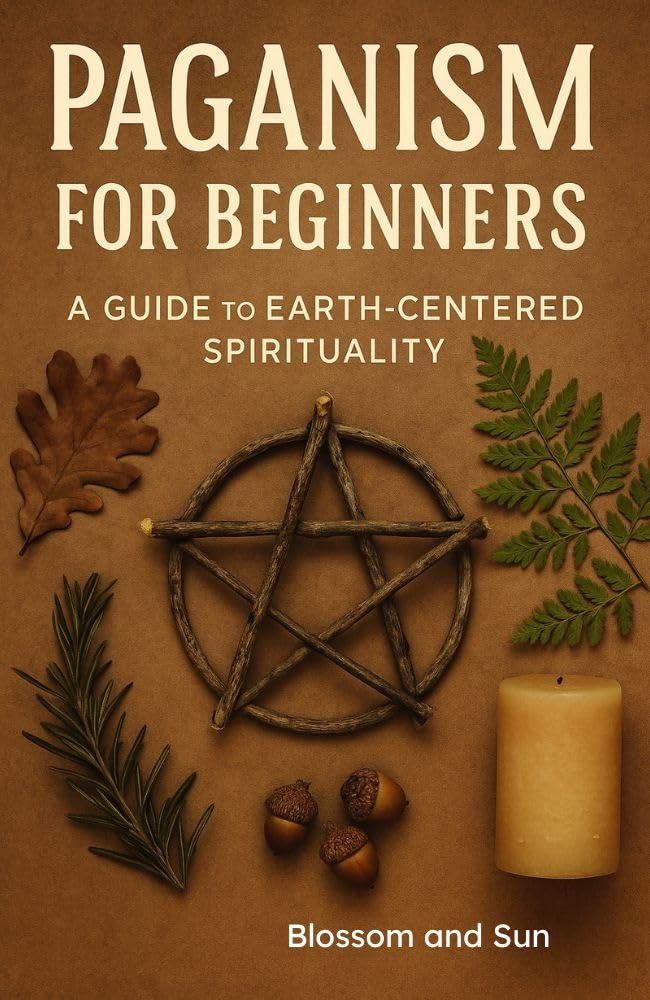
The Paganism Reference Kindle Book is a digital primer designed to demystify modern Pagan and Neo-Pagan beliefs and practices. It’s positioned squarely in the “beginner-friendly” category, leveraging Amazon’s Kindle platform to deliver a streamlined experience. The promise is straightforward: a comprehensive guide that’s easy to read and accessible anywhere.
Here’s a detailed breakdown of its specifications:
| Feature | Specification | What It Means for You |
|---|---|---|
| Format | Kindle eBook | Read instantly on any device with the free Kindle app (phone, tablet, computer). No shipping wait. |
| Length | 122 Pages | A concise read, equivalent to a short book. Ideal for a weekend of exploration. |
| File Size | 219 KB | Takes up negligible space on your device. Great if storage is a concern. |
| Language | English | Clear, modern English aimed at a general audience. |
| Text-to-Speech | Enabled | You can listen to the book like an audiobook, hands-free. |
| Enhanced Typesetting | Enabled | Improves font rendering and layout for less eye strain and a more book-like feel on screen. |
| Word Wise | Enabled | Helpful hints (short definitions) appear above more complex words like “animism” or “pantheon.” A game-changer for beginners. |
| Page Flip | Enabled | Lets you skim forward or backward without losing your place, mimicking a physical book. |
Real-World Performance & Feature Analysis
Specs on a page are one thing. How does this paganism reference book actually perform when you’re trying to learn and absorb new concepts? I tested it across different devices and scenarios to find out.
Design & Digital Experience
The book itself has a clean, no-frills presentation. There are no elaborate illustrations or complex formatting, which actually works to its advantage. The Enhanced Typesetting is the star here. On a Kindle Paperwhite, the text is crisp and the spacing comfortable, making it easy to read for longer sessions without the eye fatigue you can get from poorly formatted PDFs or older eBooks. On the Kindle app for iPhone, the text reflows perfectly, and the adjustable font sizes mean you’re never squinting.
The Word Wise feature is arguably the most valuable aspect for a true beginner. When you encounter a term like “Neopaganism” or “Eclectic Wicca,” a brief, simple definition pops up. You can tap it for more detail if needed. This prevents the constant stopping-and-starting to look up terms online, which can completely break your flow of reading and understanding. It feels like having a helpful guide whispering explanations in your ear.
Performance in Real Use: Two Scenarios
Scenario 1: The Commute Reader
I loaded the book on my phone and read during my daily train commute. The small file size meant it downloaded instantly. The ability to read in short bursts was perfect. The Page Flip feature let me quickly check a previous paragraph when a new concept referenced an earlier one, which is common in explanatory texts. This is where the digital format shines—it turns dead time into productive learning time.
Scenario 2: The Kitchen Altar Practitioner
I used the book as a quick reference while setting up a simple seasonal altar. Using the Kindle’s search function, I could quickly find sections on symbolism or seasonal correspondences. However, this is where the book’s brevity became apparent. While it gives a good overview of common symbols (e.g., colors for Sabbats), it doesn’t provide the extensive lists or varied perspectives you’d find in a more advanced, specialized book. It’s a starting point, not an encyclopedia.
Ease of Use & Accessibility
This is an exceptionally easy book to just… start reading. There’s no intimidation factor. The combination of low cost, instant delivery, and supportive features like Word Wise removes nearly all barriers to entry. For someone who is curious but hesitant, this is a major plus. The trade-off is that this simplicity means it lacks the authoritative voice and deep personal experience that often characterize the most beloved pagan books, which are typically written by long-time practitioners.
Content Depth & Reliability
The 122-page length is the most critical factor to understand. This is not Scott Cunningham’s “Wicca: A Guide for the Solitary Practitioner” (which is over 200 pages and deeply practical). This book provides a broad overview. It touches on history, core beliefs, different paths (like Wicca, Druidry, etc.), and basic practices. The information is generally sound and non-dogmatic, which is good for a beginner’s guide. However, the author’s background and credentials are not prominent, which is a common drawback with more affordable, digitally-published guides. You are getting a generalized summary rather than wisdom from a seasoned elder.
Pros & Cons
After hands-on use, here’s my balanced assessment.
Pros:
- Unbeatable Price Point: For less than the price of a coffee, you get a structured introduction.
- Superior Readability Features: Word Wise and Enhanced Typesetting are implemented well and genuinely enhance comprehension.
- Ultimate Convenience: Read it anywhere, anytime, on the device you always have with you.
- Low-Commitment Starting Point: Perfect for the “just curious” stage without pressure.
- Broad Overview: Effectively covers the landscape of modern Paganism without pushing a single tradition.
Cons:
- Lacks Authoritative Depth: You won’t find detailed rituals, deep historical analysis, or personalized practitioner insights.
- Short Length: 122 pages can only cover so much. It sparks interest but doesn’t always satisfy it.
- Unknown Author: Unlike established authors in the field, the credibility is based on the content alone, not a known reputation.
- Not a Practical Handbook: It’s better at explaining “what is” than “how to.”
Comparison & Alternatives
How does this stack up against other options? Let’s place it in context.
Cheaper Alternative: Free Online Resources (e.g., Patheos Blogs, YouTube Channels)
Price: Free
Value Difference: The internet is full of free, high-quality information from experienced pagans. Websites like Patheos host blogs from dozens of practitioners offering deep dives into specific topics.
When to Choose the Free Alternative: If your budget is zero and you’re a self-directed learner who enjoys piecing together information from various sources. The downside is the lack of a structured, curated path—it’s easy to get lost, encounter misinformation, or develop a fragmented understanding.
When to Choose This Kindle Book: If you want a curated, sequential, and consistent introduction that provides a solid foundation before you dive into the chaotic world of online forums and blogs. It provides a map before you explore the territory.
Premium Alternative: “Paganism for Beginners” by Althaea Sebastiani (or similar by well-known authors)
Price: Typically $10-$15 for a paperback or eBook.
Value Difference: Books by authors like Althaea Sebastiani, John Beckett, or Deborah Blake offer not just information but mentorship. They write from years of lived experience, providing practical exercises, nuanced perspectives, and a stronger authorial voice. They are often longer (200+ pages) and more comprehensive.
When to Choose the Premium Alternative: If you’ve moved past the “vaguely curious” stage and are serious about beginning a practice. The extra investment buys you depth, credibility, and practical guidance you can build upon for years.
When to Choose This Kindle Book: If you are in the initial exploration phase and $10-$15 feels like too much to commit before you know if Paganism resonates with you. This book is the appetizer; the premium books are the main course.
Buying Guide / Who Should Buy
Based on my analysis, here’s who will get the most value from this book.
Best For Beginners
This is the ideal user. If your knowledge of Paganism comes mostly from pop culture or brief online searches, this book will provide a coherent, structured foundation. The low cost and accessible language make it a safe first step.
Best for the Digitally-Native Seeker
If you do most of your reading on a phone or tablet, this book is tailored for you. The features are designed to make the digital reading experience superior to a static PDF or a poorly scanned book.
Not Recommended For
Intermediate or Advanced Practitioners: If you can comfortably discuss the differences between various Pagan traditions or have already read a few books on the subject, the content here will be too elementary. You should invest in more specialized texts.
Researchers/Academics: This is not a scholarly work with citations, references, or critical historical analysis. It’s a practical guide for personal exploration.
Those Seeking a Step-by-Step Ritual Guide: While it explains what rituals are, it does not provide the kind of detailed, “here’s exactly how to cast a circle” instructions found in books dedicated to Wiccan or ceremonial practice.
FAQ
Is this book specifically about Wicca?
No, and this is an important distinction. The book positions itself as a guide to Paganism and Neo-Paganism, which are broad umbrellas. Wicca is covered as one specific tradition under that umbrella, but the book also touches on others like Druidry and Eclectic Paganism. It’s a generalist’s guide.
Can I read this without a Kindle device?
Absolutely. You can read it using the free Kindle app on any smartphone, tablet, or computer. The experience is optimized for all these platforms.
How does this compare to free information on Wikipedia?
Wikipedia provides facts; this book provides context and a narrative flow. Reading a series of encyclopedia entries can be disjointed. This book is designed to be read from start to finish, building concepts progressively. It’s a more guided and cohesive learning experience.
Is this book worth $2.90?
From a value perspective, yes. If it saves you an hour of sifting through confusing or conflicting online information, it has paid for itself. It’s a minimal financial risk for a structured introduction. The key is to have the right expectations—you are buying a well-formatted, concise overview, not a comprehensive manual.
What is the biggest drawback?
The lack of a known, authoritative authorial voice. With established authors, you’re learning from a trusted guide. Here, you are relying solely on the content’s accuracy and clarity, which, while generally good, doesn’t carry the same weight as a book from a community-recognized teacher.
Final Thought: The Paganism Reference Kindle Book succeeds as a low-barrier, high-convenience entry point. It won’t be the only book you’ll ever need on your path, but it can be a very effective and affordable first one. Manage your expectations, embrace the digital features, and let it be the spark that ignites a deeper exploration.