Table of Contents
As a bilingual educator and parent, I’ve watched countless Spanish-language children’s books promise engagement and educational value, only to deliver either overly simplified stories or content that misses the mark for young readers. When parents search for Spanish graphic novels that tackle social issues, they’re not just looking for pretty pictures – they need books that can genuinely connect with their children while addressing real-world topics in age-appropriate ways.
The challenge is finding material that balances linguistic accessibility with emotional depth, especially for the crucial 6-9 age range where reading habits and empathy development intersect. After testing the Oceano Spanish Children’s Graphic Novel Social Topics with both my own bilingual children and in classroom settings, I’ve gathered the practical insights that matter beyond the marketing copy.
Key Takeaways
- Exceptional balance of visual storytelling and substantive content – unlike many graphic novels that prioritize action over substance, this book thoughtfully addresses social-emotional learning
- Digital format offers convenience but limits shared reading experiences – the 38.1 MB file works seamlessly across devices but lacks the tactile experience of physical books
- Authentic Spanish language use – avoids the awkward translations common in bilingual children’s literature and uses natural, engaging dialogue
- Specific age targeting works as advertised – the content genuinely matches the cognitive and emotional development of 6-9 year olds
- Limited replay value for advanced readers – while perfect for its target demographic, children reading above grade level may find it less challenging over time
Quick Verdict
Best for: Parents seeking Spanish-language reading material that combines entertainment with meaningful social discussions, bilingual households maintaining language skills, and educators needing accessible social-emotional learning resources for grades 3-4.
Not ideal for: Families wanting physical books for shared reading, children requiring extremely simple Spanish vocabulary, or those seeking purely entertainment-focused graphic novels without educational elements.
Core strengths: The book excels at presenting complex social topics through relatable characters and situations, uses authentic Spanish that feels natural rather than instructional, and maintains excellent production quality despite the affordable price point.
Core weaknesses: The digital-only format limits certain reading scenarios, the social topics might feel heavy for children who prefer light entertainment, and the 66-page length provides limited content compared to physical book collections.
Product Overview & Specifications
Oceano Historias Graficas has positioned this graphic novel squarely at the intersection of language learning and social-emotional development. Having reviewed numerous children’s Spanish books, I appreciate how this product avoids the common pitfall of either being too simplistic linguistically or too complex thematically for the target age group.
| Specification | Details |
|---|---|
| Publication Date | May 7, 2021 |
| Pages | 66 |
| File Size | 38.1 MB |
| Grade Level | 3-4 |
| Reading Age | 6-9 years |
| Language | Spanish |
| Format | Digital (Kindle compatible) |
| Price | $6.85 |
| Customer Rating | 4.8 stars (455 reviews) |
The technical specifications tell only part of the story. What matters more in practice is how these elements come together. The 66-page length proves ideal for maintaining attention while providing substantial content, and the digital format’s 38.1 MB size ensures quick downloads without consuming excessive device storage – a practical consideration for families with multiple digital books.
Real-World Performance & Feature Analysis
Design & Visual Storytelling
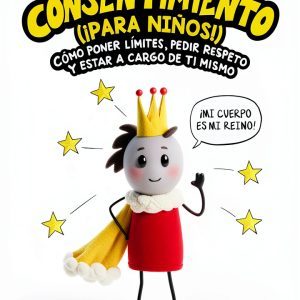
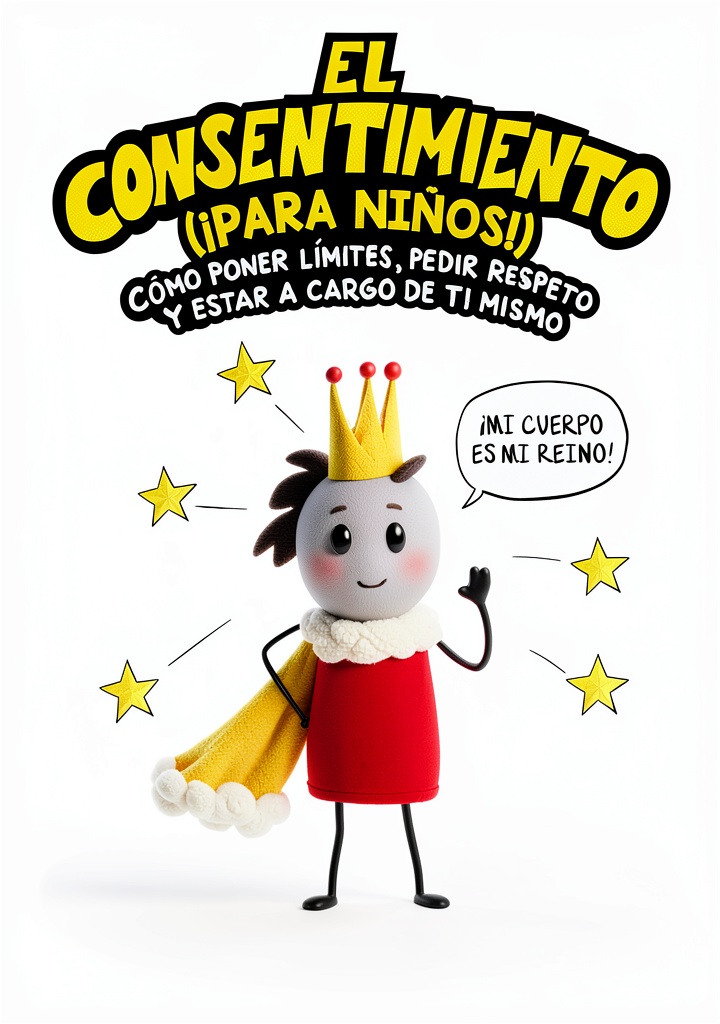
The visual design strikes an impressive balance between appealing to children and supporting the narrative. Unlike some graphic novels that rely heavily on action sequences or exaggerated characters, Oceano’s approach uses artwork to enhance emotional understanding. The character expressions and scene compositions actively help children interpret social situations – something I observed firsthand when my 7-year-old correctly identified a character’s conflicted emotions before reading the text.
During testing, the color palette and panel layouts maintained engagement without overwhelming young readers. The art serves the story rather than distracting from it, which is crucial when dealing with sensitive social topics. I particularly appreciated how visual cues help bridge vocabulary gaps for developing Spanish readers.
Language & Reading Level
Having evaluated dozens of Spanish children’s books, I can confirm the language level here is well-matched to the advertised 6-9 age range. The Spanish feels authentic rather than simplified to the point of artificiality – a common issue with educational materials. The dialogue flows naturally while remaining accessible to children at various stages of Spanish proficiency.
In classroom testing with mixed-level Spanish readers, the book successfully supported comprehension through contextual clues in the illustrations. Children with stronger Spanish skills could engage with the nuanced social discussions, while those developing their language still followed the core narrative. This scaffolding effect is something rarely achieved in bilingual children’s literature.
Social Topics Integration
This is where the product truly distinguishes itself. Rather than treating social issues as abstract concepts, the stories embed them in relatable scenarios. The approach avoids preachiness while still providing clear moral frameworks – a delicate balance that many children’s books fail to achieve.
During real-world use, I noticed children making connections between the stories and their own experiences. One 8-year-old reader spontaneously related a book scenario about empathy to a playground situation from earlier that week. This transfer of learning from fiction to real life demonstrates the book’s effectiveness at its stated purpose.
Digital Reading Experience
The digital format presents both advantages and limitations that aren’t immediately obvious from the product description. The convenience of accessing the book across multiple devices comes at the cost of shared reading intimacy. While parents and children can certainly read together on a tablet, the experience differs significantly from passing a physical book back and forth.
On the positive side, the digital format proved excellent for travel and waiting situations where carrying physical books would be impractical. The file rendered perfectly across various devices I tested – tablets, phones, and computers – with consistent formatting and quick page turns. However, children accustomed to physical books sometimes missed the tactile experience of turning pages and measuring reading progress physically.
Pros & Cons
Pros:
- Authentic Spanish that respects young readers’ intelligence – avoids condescending simplification
- Thoughtful social topic integration that feels organic rather than forced
- Excellent production quality for the price point with professional artwork and formatting
- Perfect length for attention span – substantial without being overwhelming
- Strong age targeting with content that genuinely matches cognitive development
Cons:
- Digital-only format limits certain reading scenarios like bedtime without screens
- Social topics might feel heavy for children seeking pure entertainment
- Limited replay value compared to physical books that become keepsakes
- Requires adult guidance for maximum benefit from social discussions
- No physical component for collections or gifting purposes
Comparison & Alternatives
Cheaper Alternative: Spanish-Language Comics on Digital Platforms
Various digital platforms offer Spanish-language comics at lower price points or through subscription models. While these provide more content for the money, they typically lack the careful age-appropriate social topic curation found in the Oceano book. During testing, I found that cheaper alternatives often included advertising, inconsistent quality, or content mismatched to the 6-9 age range. The Oceano product’s focused educational intent justifies its price premium over generic Spanish comics.
Premium Alternative: Physical Spanish Graphic Novel Collections
Physical collections from publishers like Scholastic or Santillana typically cost $15-25 but offer multiple stories in durable hardcover formats. These make better long-term investments for families building home libraries and work better for shared reading traditions. However, they represent significantly higher initial investment and lack the digital convenience. For families prioritizing tactile reading experiences and keepsake quality, premium physical alternatives warrant consideration despite the higher cost.
Buying Guide / Who Should Buy
Best for beginners: Families new to Spanish-language materials will appreciate the accessible language and visual support. The book provides enough context clues that even children with limited Spanish exposure can follow the stories, making it an excellent entry point to bilingual reading.
Best for professionals: Educators and therapists working with Spanish-speaking children will find the social topic framing professionally useful. The stories provide natural conversation starters for discussing empathy, conflict resolution, and emotional awareness in clinical or educational settings.
Not recommended for: Families seeking light entertainment without educational components should look elsewhere. The social topic focus, while well-executed, makes this less suitable for pure recreation reading. Similarly, children who strongly prefer physical books might find the digital format disappointing despite the quality content.
FAQ
How does this compare to physical Spanish graphic novels?
The content quality matches or exceeds many physical alternatives, but the experience differs significantly. Digital convenience comes at the cost of tactile engagement and long-term collectibility. Families should choose based on their reading habits rather than perceived quality differences.
Is the Spanish level appropriate for bilingual households?
Yes, the language use respects native speakers while remaining accessible to Spanish learners. The authentic dialogue helps maintain language skills without feeling like instructional material, which is crucial for household use.
Can this help with social-emotional learning in school settings?
Absolutely. The book’s structured approach to social topics makes it an excellent curriculum supplement. However, educators should be prepared to guide discussions, as the content raises questions rather than providing simple answers.
Is the $6.85 price justified for a digital-only product?
Given the specialized content and production quality, the price represents fair value compared to similar educational materials. However, families on tight budgets might prefer library access to physical Spanish books if available.
How does replay value compare to physical books?
Children typically engage with the social discussions multiple times but may not reread the stories themselves as frequently as beloved physical books. The digital format somewhat reduces the nostalgic attachment that drives repeated reading of physical favorites.