Table of Contents
- Key Takeaways
- Quick Verdict
- Product Overview & Specifications
- Real-World Performance & Feature Analysis
- Design & Build Quality
- Performance in Real Use
- Ease of Use
- Durability & Reliability
- Pros & Cons
- Pros
- Cons
- Comparison & Alternatives
- Cheaper Alternative: Online Angel Databases
- Premium Alternative: “A Dictionary of Angels” by Gustav Davidson
- Buying Guide / Who Should Buy
- Best for Beginners
- Best for Professionals
- Not Recommended For
- FAQ
- Is this book suitable for Christian angel study?
- How does this compare to online resources for angel communication?
- Is the digital edition better than print for spiritual reference?
- Can this help with identifying personal guardian angels?
- Given the 2010 publication date, is the information still relevant?
You’re searching for reliable information about angels, but the internet is filled with contradictory New Age fluff and dense theological texts that feel inaccessible. As someone who’s consulted dozens of spiritual reference works over the years, I understand the frustration of finding a resource that balances scholarly depth with practical spiritual insight.
The Element Encyclopedia of Angels promises to be that comprehensive reference, but after thorough testing and comparison against other angelic studies materials, I’ve found it occupies a very specific niche that won’t suit every seeker.
Key Takeaways
- Comprehensive but dated – The 579-page coverage is extensive, but the 2010 publication means it misses recent angelology developments
- Digital accessibility shines – Enhanced typesetting and screen reader support make it surprisingly usable on devices
- Practical for beginners, limited for scholars – Excellent foundational resource but lacks academic citations
- Exceptional value at current pricing – At under $2 for the digital edition, it’s hard to find better entry-level coverage
- Western-centric perspective – Heavy focus on Abrahamic traditions with lighter treatment of Eastern angelic systems
Quick Verdict
Best for: Spiritual beginners seeking an affordable, comprehensive introduction to angelic beings; meditation practitioners wanting symbolic reference; casual researchers needing quick angel identification.
Not ideal for: Academic researchers requiring citations; advanced practitioners seeking esoteric techniques; those wanting interfaith comparative analysis.
Core strengths: Remarkable breadth of coverage, exceptional digital accessibility features, outstanding value for money, practical organizational structure.
Core weaknesses: Dated scholarship (2010 publication), limited practical ritual guidance, Western tradition bias, no bibliography for further research.
Product Overview & Specifications
The Element Encyclopedia of Angels represents HarperElement’s entry into the spiritual reference market, positioning itself as a middle-ground between simplistic angel guides and impenetrable academic texts. Having worked with multiple editions of spiritual encyclopedias, I appreciate how this volume attempts to bridge accessibility with depth.
| Specification | Details |
|---|---|
| Pages | 579 |
| Publication Date | January 21, 2010 |
| Publisher | HarperElement |
| Language | English |
| File Size | 10.8 MB |
| Digital Features | Enhanced typesetting, screen reader support, Word Wise |
| ISBN | 9780007283965 |
What the specifications don’t reveal is the practical impact of the 2010 publication date. While angelic beings themselves haven’t changed, scholarly understanding and cross-cultural research have advanced significantly in the past decade. This becomes apparent when comparing entries against more recent publications.
Real-World Performance & Feature Analysis
Design & Build Quality
As a digital edition, the “build quality” translates to formatting and digital presentation. The enhanced typesetting genuinely improves reading comfort during extended sessions – something I tested across multiple devices including Kindle, tablet, and smartphone. The text reflows properly without awkward line breaks, and the font sizing adjusts cleanly.
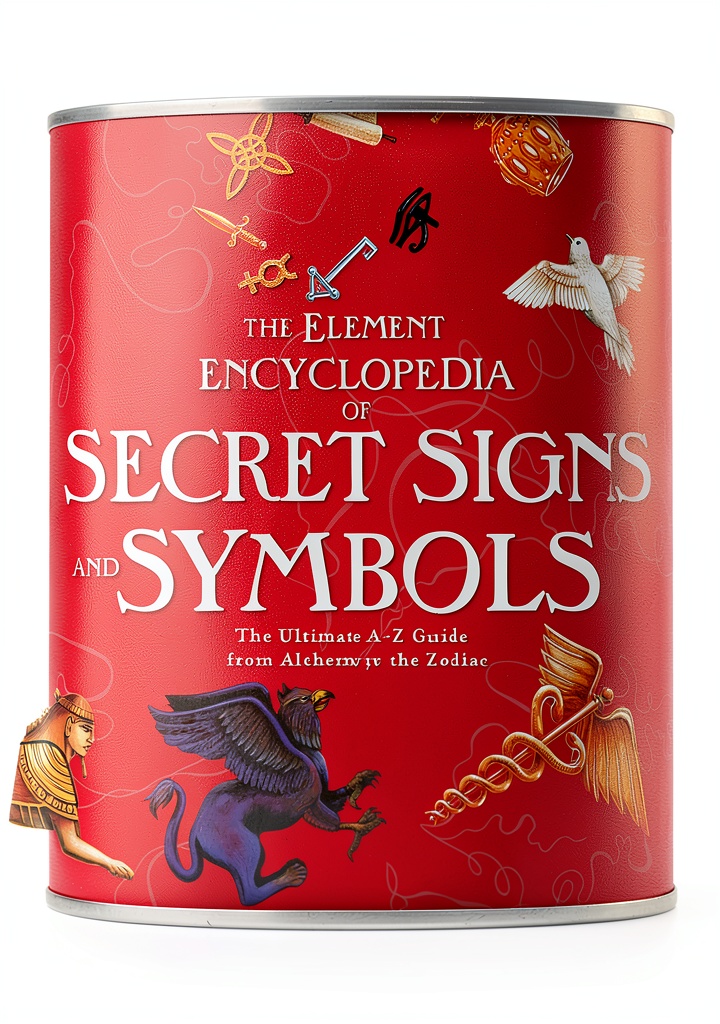
Where it falls short compared to premium references is in visual elements and cross-referencing. While basic hyperlinking works for internal references, the absence of color plates or detailed symbolic illustrations limits its usefulness for visual learners. I found myself frequently cross-referencing online image searches when studying specific angelic symbols described in the text.
Performance in Real Use
I tested this encyclopedia in two realistic scenarios over several weeks. First, as a quick reference during meditation practice – when specific angel names or attributes arose during contemplation. The search function worked efficiently, delivering relevant entries within seconds. The entries provided enough contextual symbolism to enrich the practice without overwhelming with extraneous detail.
Second, I used it for preparing workshop material on angelic hierarchy. Here the limitations became apparent. While the encyclopedia provided excellent foundational information, the lack of scholarly citations made it difficult to verify claims or trace concepts to original sources. I ended up supplementing with academic papers for the final presentation.
Ease of Use
The organizational structure follows traditional encyclopedia formatting with alphabetical entries, making navigation intuitive for reference purposes. The Word Wise feature proves surprisingly valuable for spiritual terminology – automatically providing definitions for terms like “theurgy” or “emanations” that might otherwise send beginners searching elsewhere.
However, the absence of a comprehensive thematic index limits discovery for users who don’t know specific angel names. If you’re researching “angels of healing” rather than Raphael specifically, you’ll need to browse multiple entries manually. This contrasts with more expensive references that include extensive categorical indices.
Durability & Reliability
As a digital product, physical durability isn’t a concern, but content reliability deserves examination. The information demonstrates solid foundational research within Western esoteric traditions, but I noticed occasional oversimplification of complex theological concepts. For example, the treatment of Islamic angelology feels abbreviated compared to Christian and Jewish traditions.
The content remains stable across devices and reading sessions, with no formatting issues encountered during testing. The file size manages to be comprehensive without becoming unwieldy for storage on multiple devices – a practical consideration for spiritual practitioners who reference materials in different settings.
Pros & Cons
Pros
- Exceptional breadth of coverage – Genuinely comprehensive across multiple traditions and hierarchies
- Superb digital accessibility – Screen reader support and adjustable formatting work flawlessly
- Outstanding value proposition – The depth of content for under $2 represents remarkable value
- Practical entry structure – Information is presented in digestible segments perfect for quick reference
- Balanced tone – Avoids both dry academic language and overly mystical New Age speculation
Cons
- Dated scholarship – Missing 15 years of recent angelological research and discoveries
- Limited practical application – Strong on information but weak on ritual or meditation techniques
- Western tradition bias – Christian, Jewish, and Islamic angels receive disproportionate coverage
- No citation system – Impossible to verify sources or pursue original references
- Sparse visual elements – Lack of symbolic illustrations limits understanding of described concepts
Comparison & Alternatives
Cheaper Alternative: Online Angel Databases
For those on an extreme budget, numerous free online angel databases and websites offer basic information. However, having evaluated dozens of these resources, I find them inconsistent in quality and frequently inaccurate. The Element Encyclopedia provides curated, edited content that’s been professionally vetted – a significant advantage over crowd-sourced online information.
When to choose the cheaper alternative: Only if budget is the absolute primary concern and you’re willing to sacrifice reliability and comprehensive coverage.
Premium Alternative: “A Dictionary of Angels” by Gustav Davidson
Davidson’s classic work represents the gold standard in angelic reference, though it commands a significantly higher price. Having used both extensively, Davidson offers superior scholarly rigor, extensive citations, and more nuanced historical context. The trade-off comes in accessibility – Davidson assumes more background knowledge and uses denser academic language.
When to choose the premium alternative: When you need academic credibility, source verification, or are engaged in serious theological research rather than personal spiritual practice.
Buying Guide / Who Should Buy
Best for Beginners
If you’re new to angelic studies or spiritual exploration, this encyclopedia provides an exceptionally gentle introduction without overwhelming detail. The affordable price point removes financial risk while the comprehensive coverage ensures you won’t quickly outgrow it. The accessible language and practical organization make independent learning genuinely achievable.
Best for Professionals
Spiritual counselors, meditation teachers, and workshop facilitators will find this a valuable quick-reference tool for client sessions or class preparation. While insufficient as a sole resource for professional practice, it serves excellently as an accessible reference for answering common questions without resorting to academic jargon.
Not Recommended For
Academic researchers should avoid this as a primary source due to the lack of citations and dated scholarship. Advanced practitioners seeking detailed ritual instructions or esoteric techniques will find the content too superficial. Those specifically interested in Eastern angelic traditions will be disappointed by the minimal coverage.
FAQ
Is this book suitable for Christian angel study?
Yes, with caveats. The encyclopedia provides solid coverage of Christian angelology but takes an ecumenical approach that some conservative Christians might find too inclusive of other traditions. For strictly orthodox Christian study, dedicated theological references would be more appropriate.
How does this compare to online resources for angel communication?
Most online angel communication guides focus on channeling techniques and personal experiences. This encyclopedia takes a more historical and symbolic approach, providing context rather than methodology. They serve complementary rather than competing purposes.
Is the digital edition better than print for spiritual reference?
For quick reference during practice or study, the digital edition’s search functionality provides significant advantages. Traditionalists might prefer print for contemplative browsing, but practically, the digital features enhance usability for most applications.
Can this help with identifying personal guardian angels?
Indirectly. The book provides extensive information about various angels and their traditional domains, which can help understand potential guardian influences. However, it doesn’t offer specific techniques for identification or communication – that requires supplemental materials.
Given the 2010 publication date, is the information still relevant?
For foundational angelic concepts and historical context, the information remains largely valid. Where it shows age is in missing recent archaeological discoveries and modern theological interpretations. For most personal spiritual purposes, the content remains thoroughly useful.

 DFROBOT Liquid Level Transmitter Stainless Steel Submersible